July 24, 2026
Outdoor living spaces serve as natural extensions of the home, offering an oasis for relaxation, entertainment, and family gatherings. Selecting the appropriate material for an outdoor platform is a crucial decision that influences structural longevity, seasonal maintenance demands, and overall architectural harmony. Homeowners face a diverse array of options, each presenting a distinct balance of resilience, upfront expense, and visual character. Engaging professional deck building services can help clarify these options, ensuring that the selected material aligns with local climate patterns and design goals.
Beyond the primary lumber selection, practical design elements and regulatory standards play a significant role in the planning phase. Safety features are heavily influenced by local municipal codes and regional guidelines. For instance, according to This Old House, deck railings should be a specific minimum height (usually 36 inches, but this might vary by area). Navigating these multi-layered construction parameters requires a thorough assessment of available materials alongside the foundational structural blueprint.
Evaluating Pressure-Treated Materials
Pressure-treated lumber remains a highly prevalent choice for outdoor platforms across diverse geographic regions. Typically sourced from abundant softwoods like Southern Yellow Pine, this material undergoes a specialized high-pressure process that forces chemical preservatives deep into the cellular structure of the wood. This protective treatment establishes a powerful defense mechanism against rot, fungal decay, and destructive insect infestations. Because of this durability upgrade, it is frequently utilized by deck building services for structural framing, joists, and support posts, even when alternative materials are chosen for the visible surface boards.
From an economic perspective, pressure-treated pine offers exceptional cost efficiency, making it highly accessible for large-scale outdoor projects. The widespread availability of domestic pine, combined with optimized industrial treatment methods, keeps the upfront material costs significantly lower than natural cedar, redwood, or exotic hardwoods. While it does require long-term maintenance in the form of regular cleaning, sealing, and water-repellent applications, the initial savings allow property owners to allocate more budget toward custom design layouts, built-in seating, or premium railing options.
Aesthetically, pressure-treated lumber provides substantial flexibility for custom exterior design. Freshly treated wood often displays a distinct greenish tint due to the copper-based preservatives, but this coloration gradually fades to a warm golden brown and eventually a soft gray when exposed to sunlight. Homeowners can easily customize the final appearance using semi-transparent stains or exterior paints to match the architectural style of the primary residence. This structural adaptability, combined with high availability, ensures its ongoing status as a reliable industry standard.
Selecting Natural Cedar
Cedar is highly valued throughout the construction industry for its exceptional natural resistance to environmental degradation without relying on synthetic chemical treatments. The heartwood of cedar contains natural oils, tannins, and extractives that act as self-contained preservatives, naturally repelling wood-boring insects and preventing moisture-induced rot. This inherent stability means cedar is significantly less prone to warping, twisting, or splitting when exposed to wet and dry weather cycles, ensuring a smooth, uniform surface that feels comfortable underfoot for years.
The financial investment required for a premium cedar installation sits comfortably in the mid-range tier, positioning it between economical pressure-treated options and high-cost exotic imports. Although the upfront expenditure for cedar lumber is higher than that for treated pine, the long-term value becomes apparent when factoring in its structural reliability and reduced tendency to experience severe checking or cupping. Many property owners view this material as an ideal compromise, delivering premium architectural quality and long-term performance without exceeding reasonable budget limits.
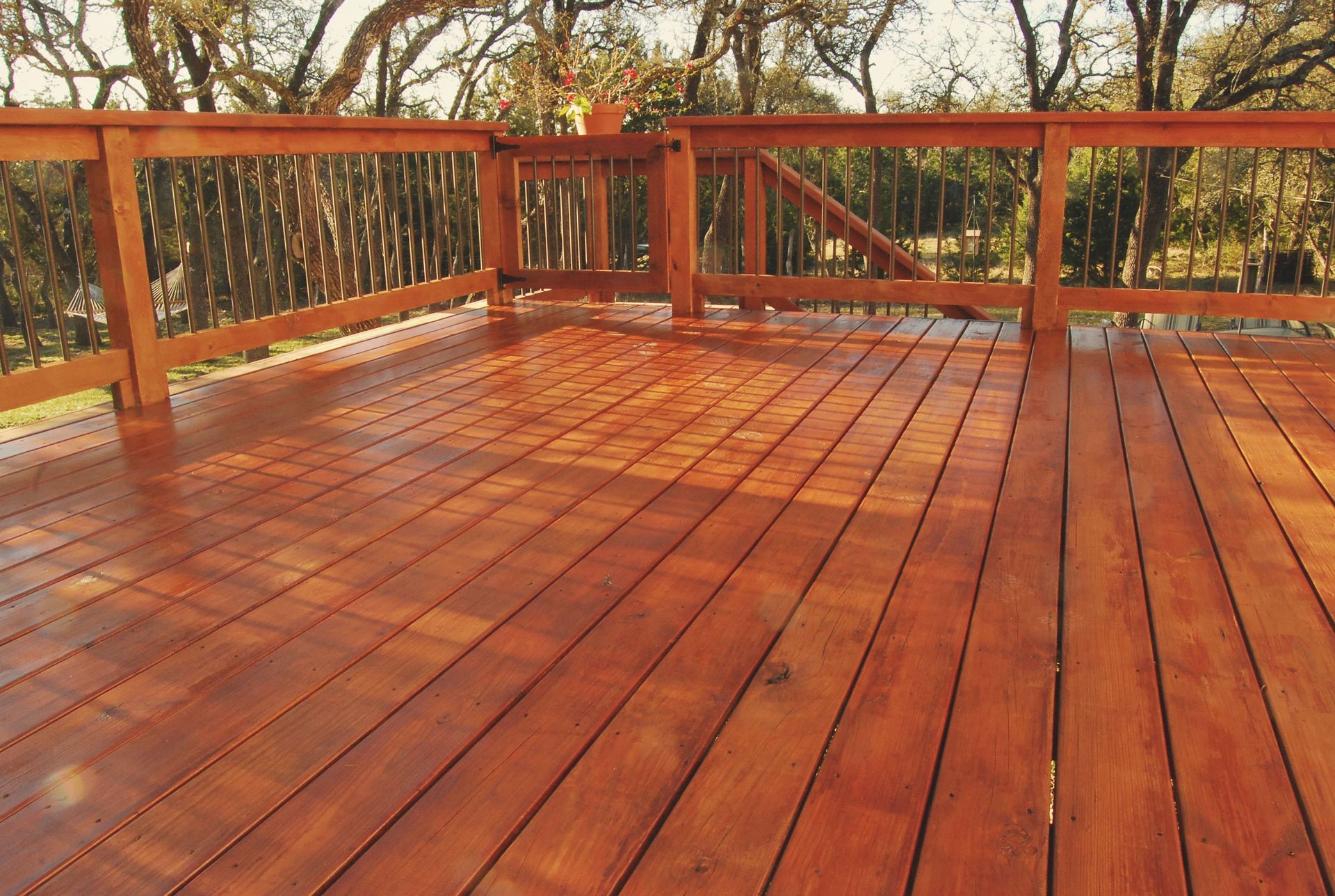
The visual appeal of natural cedar is defined by its rich, warm color palettes, fine grain lines, and characteristic aromatic scent. Ranging from pale amber tones to deep reddish-browns, cedar infuses outdoor living environments with a classic, high-end organic beauty. Over time, unfinished cedar exposed to sunlight develops a silvery-gray patina that matches rustic and coastal design aesthetics perfectly. Property owners can preserve the vivid original coloration by applying clear ultraviolet-inhibiting sealants every few years, protecting both the appearance and structural life of the boards.
Investing in Rich Redwood
Redwood stands out as an elite softwood option, offering superb natural durability and exceptional dimensional stability. Harvested predominantly from sustainably managed forests along the Pacific Coast, redwood contains unique chemical compounds that provide superior protection against wood rot, fungal organisms, and insect pests. Its dense cellular configuration limits the absorption of moisture, meaning a redwood deck experiences minimal expansion and contraction during severe weather changes, greatly reducing the risk of structural fasteners loosening over decades of use.
The long-term economic value of redwood is deeply intertwined with its minimal maintenance requirements and its positive impact on residential property valuations. While the initial material cost is high due to specialized geographic harvesting and strict environmental regulations, the minimized need for intense chemical restoration or premature board replacement balances out the total cost of ownership. Partnering with professional deck building services ensures that this premium lumber is handled correctly during installation, maximizing material yields and reducing unnecessary construction waste.
Architecturally, redwood offers unmatched aesthetic elegance characterized by its deep, striking reddish-pink heartwood and highly intricate, tight grain patterns. This species creates a sense of luxury that elevates the visual profile of any outdoor space, blending naturally into lush garden landscapes or contrasting sharply with clean, modern urban architecture. The natural surface accepts stains beautifully, though many designers prefer clear oil finishes that emphasize the natural contrast between the dark heartwood and the lighter cream-colored sapwood accents.
Sourcing Exotic Tropical Hardwoods
Tropical hardwoods, including species like Ipe, Cumaru, Garapa, and Mahogany, represent the absolute peak of natural density and physical durability in outdoor construction. These exotic species grow in dense rainforest environments, resulting in tightly packed wood fibers that are nearly as hard as stone and incredibly heavy. This extreme structural density makes tropical hardwoods naturally fire-resistant, highly scratch-resistant, and entirely impervious to wood rot, termites, and severe moisture saturation, often achieving operational lifespans exceeding forty years without structural degradation.
The financial commitment for an exotic hardwood project is substantial, representing the upper tier of residential construction budgets. The high cost reflects international shipping expenses, complex import tariffs, and the specialized carbide-tipped tooling required to cut and pre-drill these incredibly hard boards during installation. However, when evaluated on a long-term cost-per-year basis, tropical hardwoods prove remarkably cost-effective because they require virtually no chemical sealing, stain applications, or structural repairs, saving significant maintenance labor over time.
Choosing Modern Composite Alternatives
Composite decking materials represent an innovative evolutionary step in outdoor design, combining recycled wood fibers with dense synthetic plastics to form an exceptionally durable product. These engineered boards are manufactured to bypass the natural vulnerabilities of raw lumber, eliminating common issues like wood splinters, internal rotting, deep cracking, and seasonal warping. Modern composite materials feature advanced polymer caps that shield the inner core from moisture penetration, color fading, and heavy foot traffic scratches, making them ideal for busy households.
A comparative financial analysis reveals that while composite materials demand a higher initial investment than traditional pressure-treated pine, they generate substantial monetary savings over their operational lifecycle. Because composites never require sanding, staining, painting, or chemical sealing, homeowners save thousands of dollars on upkeep supplies and professional labor. This predictable, low-maintenance profile makes composite products an attractive option for individuals who prefer to enjoy their outdoor spaces without dedicating weekends to intense structural property preservation.
A well-planned outdoor space enhances day-to-day living while significantly boosting a home's curb appeal and market value. No matter which material fits your vision, utilizing specialized deck building services guarantees precise craftsmanship, strict adherence to regional safety heights, and proper structural engineering. Investing in high-quality materials and professional installation translates directly into a reliable, beautiful retreat tailored perfectly to your lifestyle. For more information about the services that we offer, reach out to our incredible team at Estate Deck & Fence Inc today!